Resource for Parents: Letter to School about Gender and Identity
Published: 03/02/2025
(Below is a suggested draft that parents can use as a basis for starting a dialogue with the school about teaching on gender and identity – the draft is a suggestion from Kristent Ressurssenter and must be used at your own risk.)
To the principal and teachers,
We would appreciate receiving an overview of the teaching content and teaching materials for the weeks in which students will be taught about sexuality and gender. At the same time, we would like to provide some feedback that we hope will be taken into account.
Our children are taught at home that there are only two genders, and that no one can change their biological sex. We also convey that everyone is born in their right body, based on our biblical faith rooted in Genesis 1:27.
We understand that there are two different views that meet at the school, and therefore we are sending this letter to explain our views and concerns, as well as to provide criticism of some of what we understand the school will teach.
Personality vs. identity in teaching
We believe it is important to distinguish between personality and identity in teaching. Identity is a central concept in the teaching materials that shape students' self-understanding. While personality deals with the individual's character traits, identity is often linked to factors such as gender, cultural affiliation and social background. We want teaching to strengthen children's self-understanding without placing them in specific categories based on identity-political concepts. The concept of identity as explained in textbooks seems to exclude children's personality, which we find problematic.
Furthermore, we are critical of including gender identity and sexual orientation in conversations about a child’s “identity development.” If schools replace a focus on personality with identity, teaching can shift from helping children develop as whole people to placing them in categories based on societal trends, their own ideas, and feelings.
It is more constructive for teachers to guide students in the development of healthy character traits than to navigate politicized identity issues. As identity pressures increase, children may feel forced to “figure out who they are” in an ideological context, rather than being allowed to develop naturally.
We experience the teaching of identity as problematic. When concepts such as “gender identity” and “sexual identity” are linked to the child’s inner self-understanding, students are encouraged to take a position on both their own sexual attraction and which gender they feel like.
This is a radical approach, which is neither scientifically grounded nor natural to introduce in schools. Schools have an important responsibility to convey knowledge in a scientific and pluralistic manner according to the Education Act.
We believe that questions about who the child is on such a deep level belong with the parents – not in the classroom.
Scientific basis and medical consequences
The human brain is not fully developed until around the age of 25, and we know of many who have made irreversible choices in adolescence and later regretted them – especially those related to medical gender-affirming treatment. There are several heartbreaking stories of young people who have de-transitioned, as well as stories from parents of children and young people who have undergone medical transition. The common denominator here is often that adults told the children that they could be a different gender, or that social influence among classmates played a role.
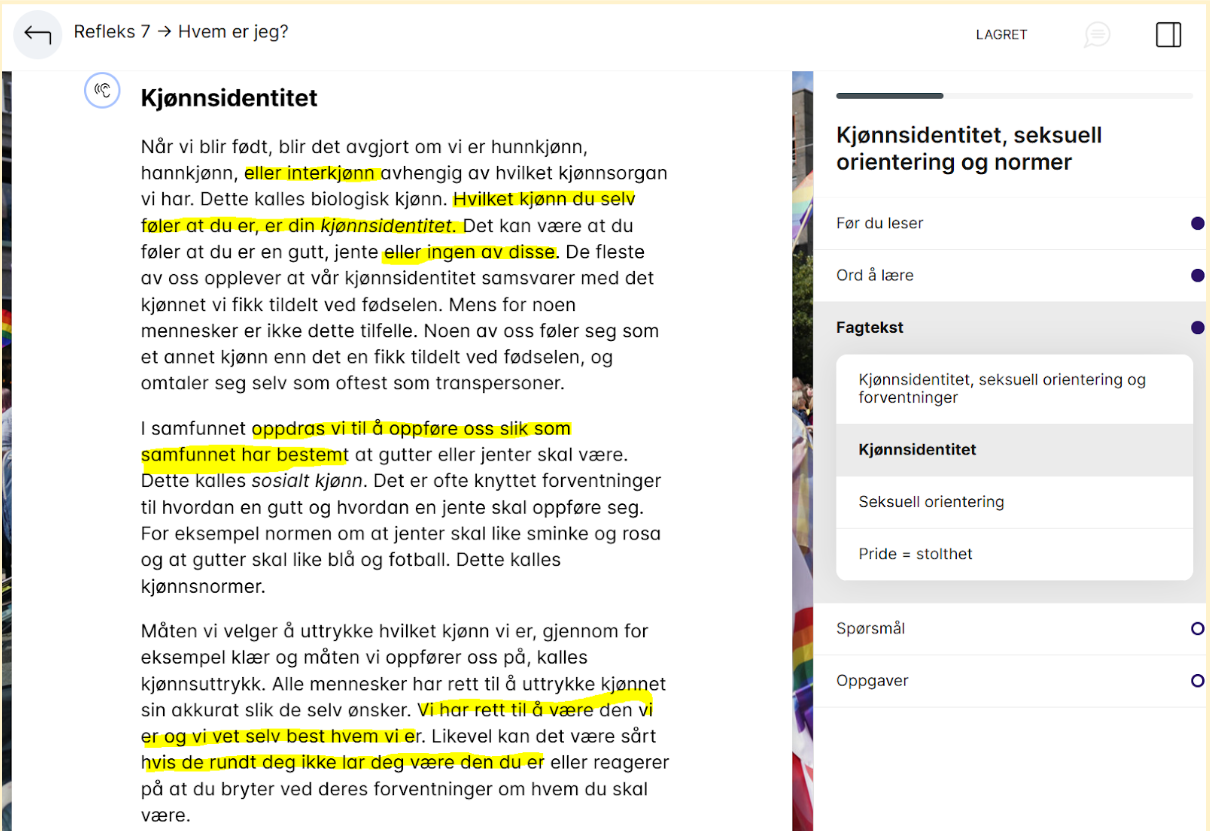
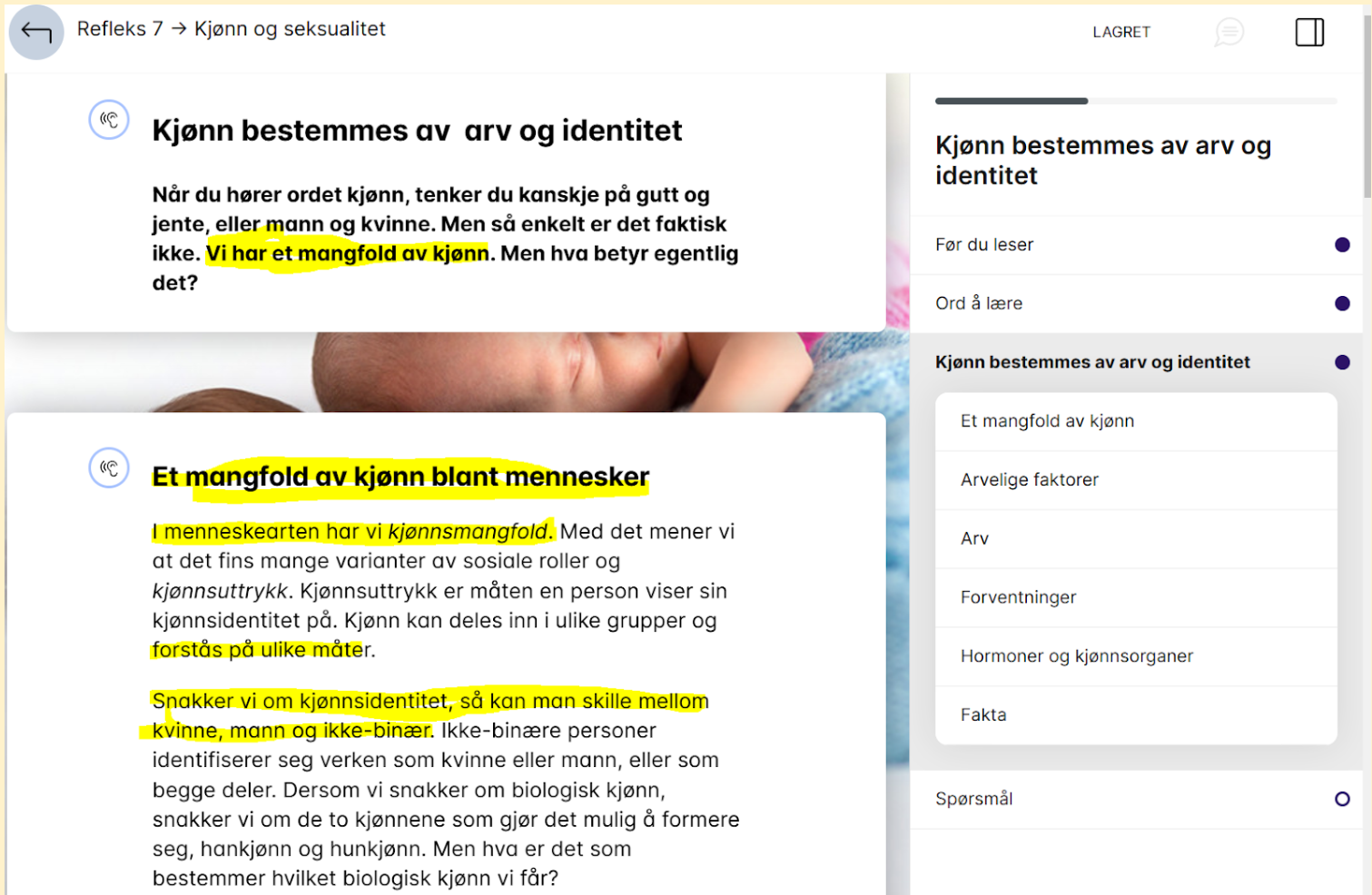
In an excerpt from Refleks 7 ( and all other textbooks according to findings from www.skeivteori.no) attempts to redefine gender as something other than biological sex, based on queer theory and ideological beliefs. This is problematic and lacks scientific basis.
Gender identity as a concept originates from Queer Theory, and was popularized through the work of Dr. John Money, whose theories were linked to a failed and ethically controversial experiment. It is not scientifically correct to claim that gender identity is a subjective feeling of what gender one is. When schools teach students that “only you know what gender you are”, this is presented as an objective truth, and children are given the impression that they must take a position on this themselves.
Furthermore, we see that intersex conditions are presented as a separate gender. “Intersex” is not a third gender, but a medical term describing variations in sex development, often based on atypical genital or chromosomal development. If there is uncertainty about this, professor of biology Glenn-Peter Sætre points out that intersexis not a new gender.
It is further claimed that “society educates us to behave based on genderor that “society’s expectations of gender influence our choices”. This is only partially true. Biological sex is the strongest predictor behind many of our choices. In the world’s most gender-equal countries, we still see men and women choosing different careers. Ignoring biological factors in education therefore gives a misleading and incomplete picture.
The theory that gender identity is independent of biological sex is deeply problematic. No one can feel what it is like to be something other than what they are, and it is philosophically and metaphysically incoherent to claim that one can “feel like a different gender” than the body they have. Teaching this can lead to confusion and potentially irreversible choices, both socially and medically.
The sentence “We have the right to be who we are, and we know best who we are” involves ideological indoctrination. If students can freely identify themselves as, for example, a “xenogender cat”, and this should be recognized by others, the school is moving in a radical and reality-detached direction that does not correspond to biological, scientific, or educational standards.
It is reprehensible that students are taught about “gender diversity”, despite the fact that there are only two genders. The teaching materials even claim that “in the human species we have gender diversity”, which is factually incorrect. Refleks 7 then attempts to redefine gender as something other than biological sex, based on queer theory and ideological notions of gender as a subjective experience. This is deeply problematic for us, and we ask for feedback on how the school plans to explain this to the children.
Final comments and wishes
In teaching about puberty and biological sex, we believe it is important to maintain a scientific and objective perspective that everyone can agree on. We are concerned that the concept of “gender diversity” is presented as a biological reality, when it is primarily a social and theoretical framework. Intersex is a medical condition and not a separate gender, and we believe it is important that this is communicated clearly and accurately.
We ask that the school provide us with feedback on the areas we have criticized or questioned above, and clarify the way forward for us and our child.
We also ask to be informed if teaching programs or sources are used that may be perceived as controversial or challenging to our Christian view of life, so that we can consider how we can best safeguard our child's education.
In addition, we would like any performances, cultural events, videos and assignments related to gender and sexuality to be made available to us in advance, so that we can decide whether our child should participate in these parts of the teaching, or whether adjustments can be made.
We as parents want open and clear communication about how the school teaches about gender and identity. It is important to us that the teaching maintains a professional and objective basis, while balancing respect for different views and allowing room for parental influence in the upbringing of children.
If our concerns are not addressed, we request a written statement from the subject teacher about their own views, as well as a statement from the principal about the school's official position. We would particularly like clarification on:
How the school defines the number of genders.
Whether there are any limits to what a person can identify as, or whether a fully subjective approach to gender is being advocated.
We believe that these questions are crucial for orderly and predictable teaching, and we want a clear understanding of how the school handles this.
We look forward to a factual, respectful and constructive dialogue.
In the midst of a dating culture characterized by quick choices, uncertain relationships, and ever-changing opportunities, more young Christians are beginning to ask a simple question: What if love is about more than…
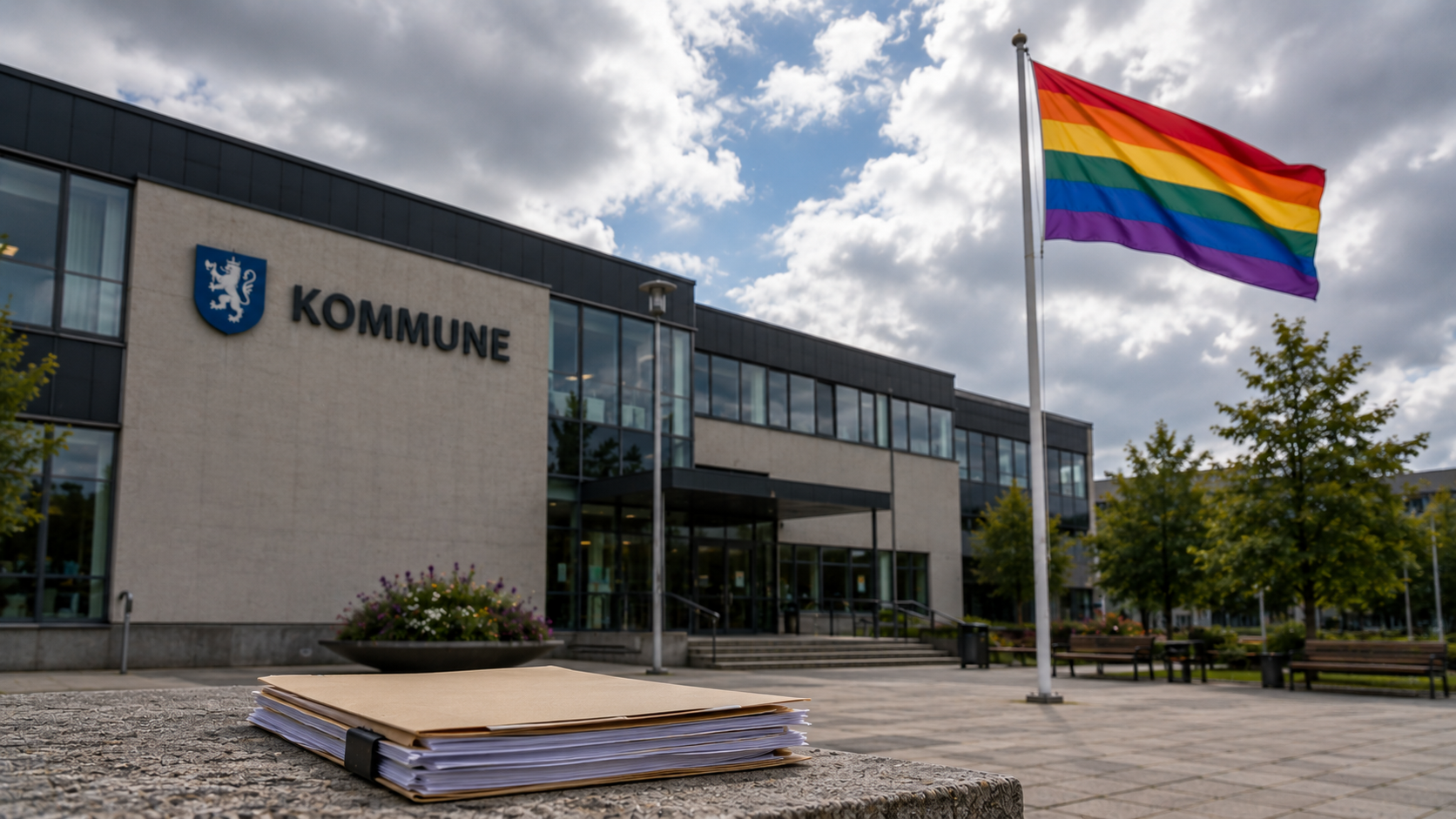
Truls Olufsen-Mehus has reported Hammerfest Municipality to the police for violating the Act on Flags on Municipal Public Buildings §1. In this review, he explains what is behind the report, what documentation it…
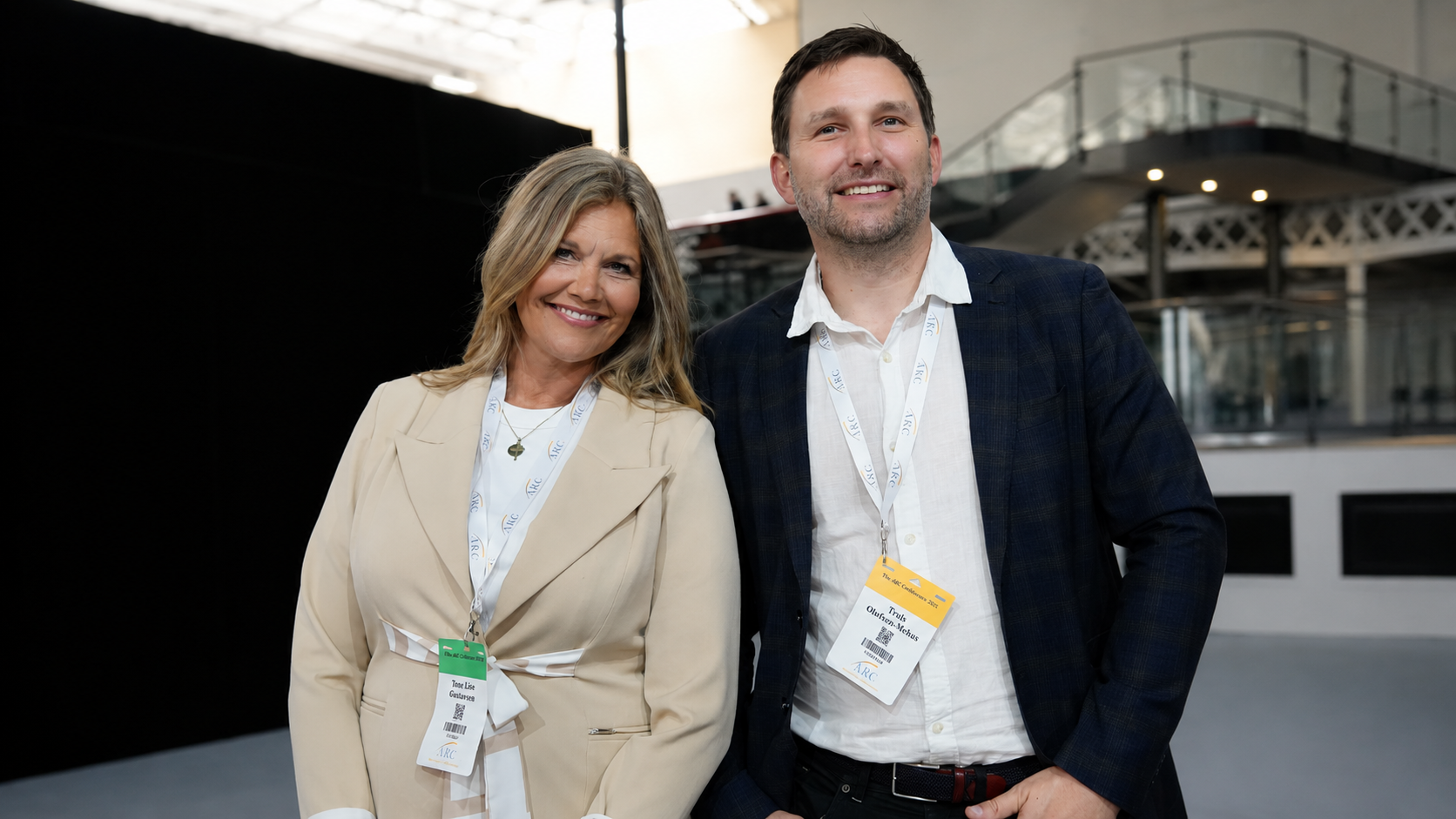
The splicing is over. On behalf of everyone at Kristent Ressurssenter, we, Tone Lise and Truls, who are the general manager and chairman of the board, would like to thank everyone who supported our fundraising campaign in June…
In a culture where instant gratification is often held up as the ideal, waiting until marriage to have sex is often portrayed as old-fashioned or extreme. Yet both experience and…
In Norway, we have made early kindergarten the norm. The one-year-old is delivered, the parents go back to work, and society nods approvingly: This is how we do it here. It is effective. It is…
To gain access to legal assistance, these are the criteria: Many parents and students experience that pride celebrations, flag-raising, educational programs or activities in school are carried out without sufficient consideration for parental rights, freedom of conscience,…
What happens when pride in schools and kindergartens is no longer just a celebration, but becomes something children, parents and staff are expected to adhere to? We have now started…
In the face of an increasingly clear struggle for values in society, Christian schools, parents and local communities are faced with a choice: Should we passively adapt to the pressure – or actively take responsibility for…