How do you really see yourself? Many people strive to achieve goals and perform well – and self-confidence is important to achieving that. But to truly feel good about yourself, something more is needed: self-esteem. What is the difference between the two?
Self-confidence is about what you do – what you accomplish, achieve and perform. You may win competitions, get top grades or receive compliments for an impressive effort. Yet you may still feel empty or not entirely valuable. Perhaps you have thought, «If they really knew me, they wouldn’t say that.» That’s because self-confidence is about action, while self-esteem is about identity – who you are, deep down.
Self-esteem is the value you give yourself – regardless of what you achieve. It is about how you see yourself, whether you feel loved, and whether you have learned to accept and love who you are. This can be shaped and strengthened, and it affects not only how you feel about yourself – but also how you encounter the world. The mood you have is contagious to others. When you encounter your surroundings with enthusiasm, joy or security, it will be felt. Similarly, negativity and uncertainty can characterize both relationships and the environment you are a part of. Taking responsibility for how you think about yourself and what you radiate is not only good for you – it is also something that attracts others.
Many studies and conversations with reflective people show that good self-esteem is among the most attractive qualities in a person. Security and awareness of one's own worth give a natural radiance. A person with healthy self-esteem does not need to compare themselves or compete for attention, but can meet both themselves and others with calm and generosity.
A secure identity is the foundation for good relationships
When you have a secure anchoring in who you are, it becomes easier to accept others for who they are. You tolerate differences, are not easily triggered by the success of others, and do not feel the need to assert yourself at the expense of others. You can rejoice with others – and that makes you a safe person to be with.
But a healthy sense of self doesn't come naturally. Many people grow up surrounded by comparison, pressure from expectations, and a constant measurement of their achievements. In such a reality, it's easy to develop an insecure self-image. Thoughts like, "If only they really knew me..." can become a habit – and prevent us from believing in our own worth.
Who says you are valuable?
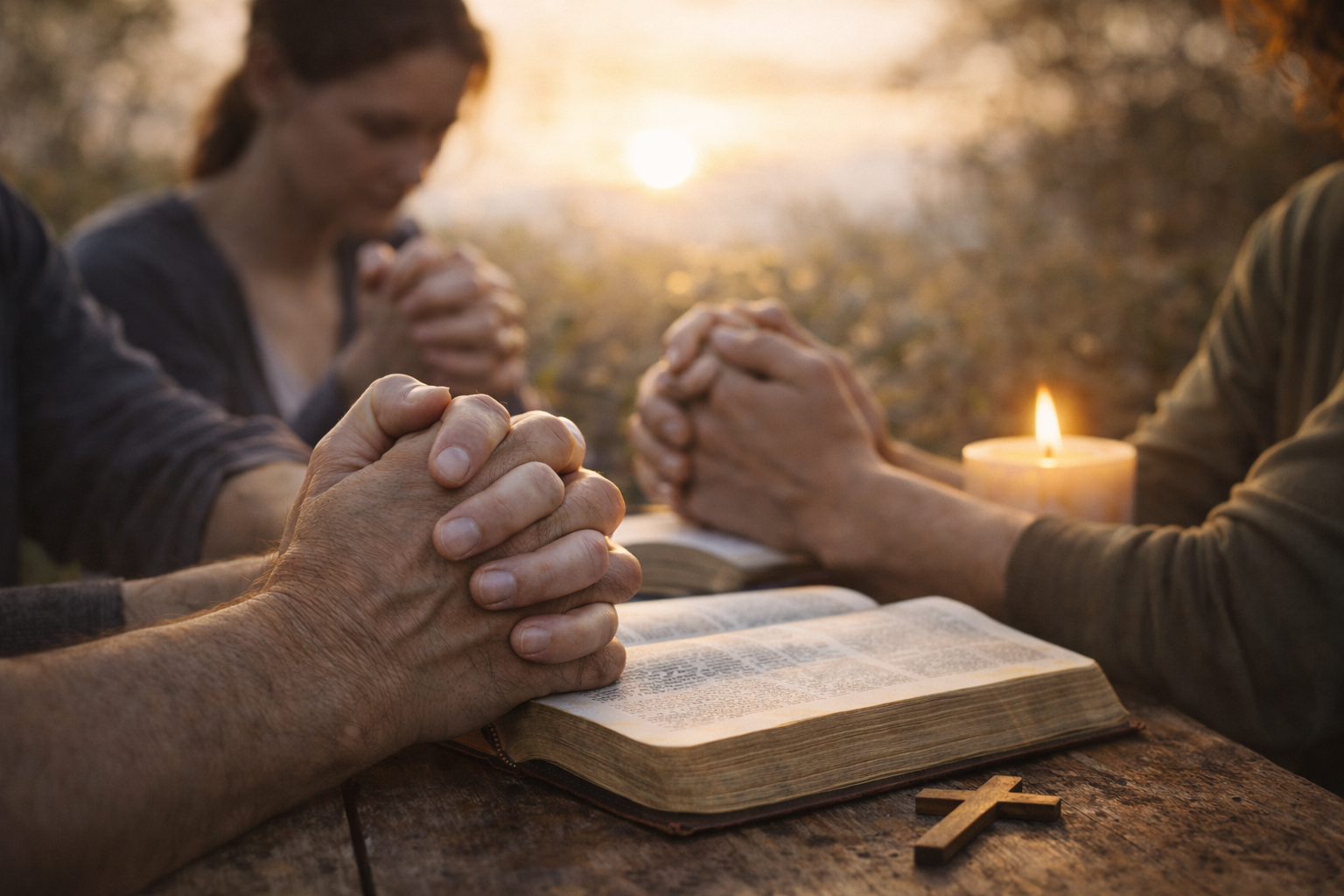
Self-esteem is shaped by how you see yourself – but also by who you listen to. When insecurity and inner criticism take over, we need something more than our own achievements to stand on. The Bible describes every person as created in God’s image – loved, desired and valuable. If you start to believe that, it can change the way you think about yourself.
Strengthening your self-esteem is a process. It's about choosing a new attitude towards yourself – and building on truths that provide lasting security. Here are some concrete steps:
- Choose to believe in your worth. You are valuable regardless of your achievements.
- Be with people who build you up. We are influenced by those we associate with.
- Listen to what God says about you. He sees you as his masterpiece.
- Practice accepting compliments. Don't dismiss them, but embrace them.
When you begin to see yourself through God's eyes, insecurity will no longer define you. You will be free to be yourself – and that is perhaps the most beautiful thing a human being can radiate.