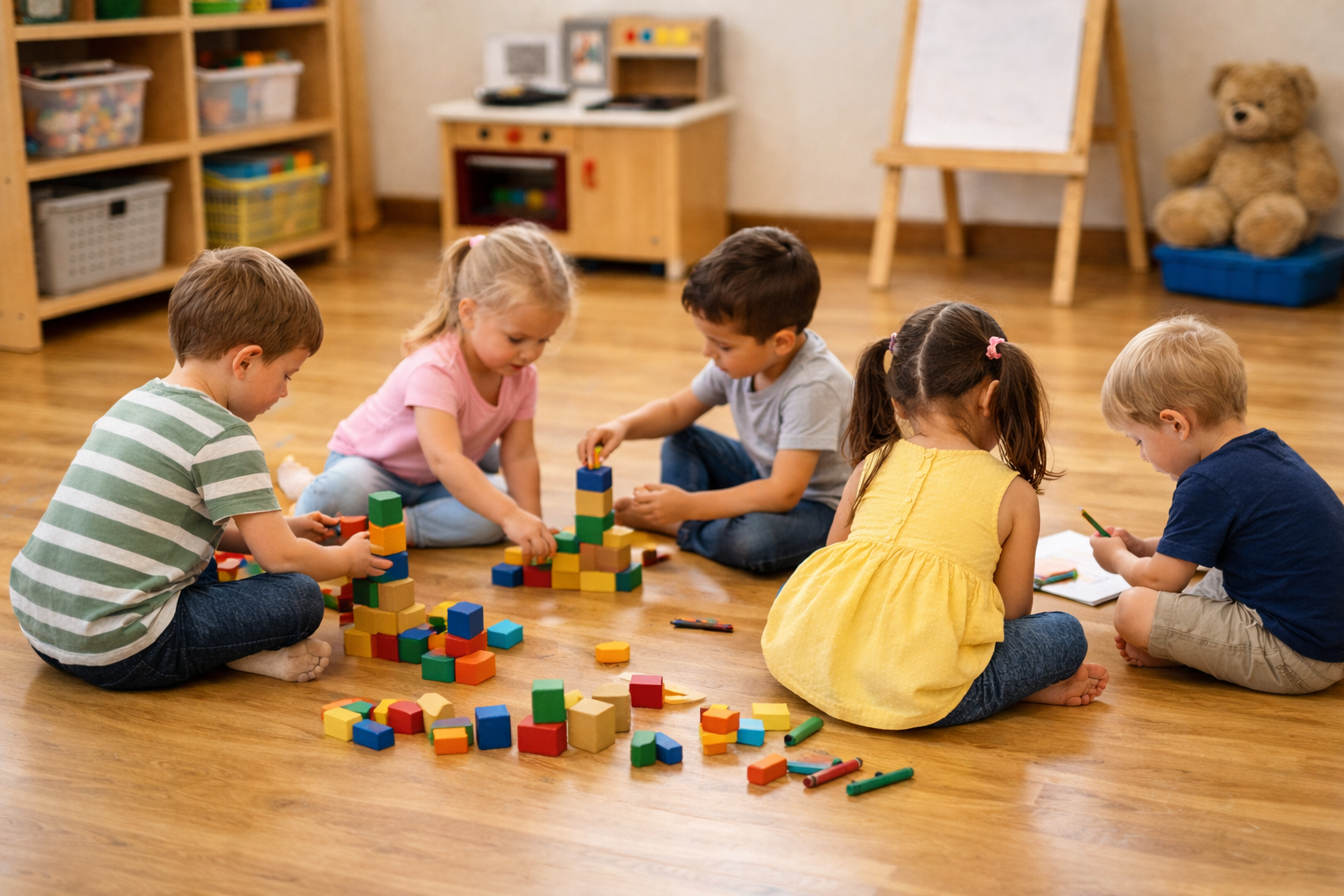
Yoga and mindfulness are used in many schools and kindergartens today, often as relaxation, breathing exercises or stress management. The intentions are probably good, but many parents ask questions about this, and with good reason. To understand why the topic creates reactions, it is necessary to know the background to yoga and mindfulness, and how they affect both freedom of religion and the school's responsibility to safeguard the rights of students and parents.
Religious origin
Yoga originates specifically from Hinduism, and the word means yoke, union or binding together. The goal in Hindu tradition is to unite with the divine. Mindfulness has roots in Buddhism and is a central part of meditation practice there. Both traditions were developed as spiritual exercises to achieve inner enlightenment – not as neutral techniques for health and well-being.
Therefore, yoga or mindfulness cannot simply be treated as religion-neutral activities. Although the exercises themselves may seem innocent, their purpose and symbolism are inextricably linked to the spiritual thinking that underlies them.
Although yoga and mindfulness are presented as health and coping tools, they both have a clear religious origin. In everyday school life, exercises derived from yoga may be referred to as "relaxation" or "breathing exercises," but many of them are actually based on religious symbolism and practice.
The historical and spiritual roots are absolutely central to understanding why yoga in schools and kindergartens arouses reactions, and that Christian parents can react negatively with good reason. They can demand change, exemptions and their rights protected.
The school's responsibility to safeguard the rights of students and parents
The public school must be politically neutral, and preaching is illegal. Parents and students also have the right to exemption from activities that conflict with their faith or beliefs, cf. Education Act Section 14-6.
Just as consent is required to participate in school services in a school that is supposed to convey Christian values in all subjects, consent should also be required before students participate in activities with a religious affiliation – such as yoga and mindfulness.
It is not the school's role to lead children into spiritual or religious practices and rituals, even if these are presented as scientific and health-promoting. Alternatives such as regular stretching, physical activity, silence, or nature walks can have the same educational effect – without moving into a spiritual landscape.
For many Christian families, this is not about making teachers or the school's intentions suspicious, but about protecting children's freedom of belief and safety. When a child feels uncomfortable or says no to yoga or mindfulness, it should be met with respect – not as defiance, but as an expression of conviction.
Open cooperation between school and parents will contribute to increased understanding, cf. the Education Act §1-3 first and second paragraphs. Facilitating exemptions when this is desired is about respect and freedom of religion – values that the Norwegian school should be built on. Students are also protected against any form of violation, discrimination and exclusion by the Education Act §12-2 and §12-3.
A clear distinction between spirituality and learning
In today's society, yoga and mindfulness have become widespread in healthcare, schools, kindergartens and leisure facilities. Many may perceive them as neutral tools for calm and concentration. However, the original purpose of yoga and mindfulness is to open up to spiritual contact and enlightenment through self-focus and inner silence.
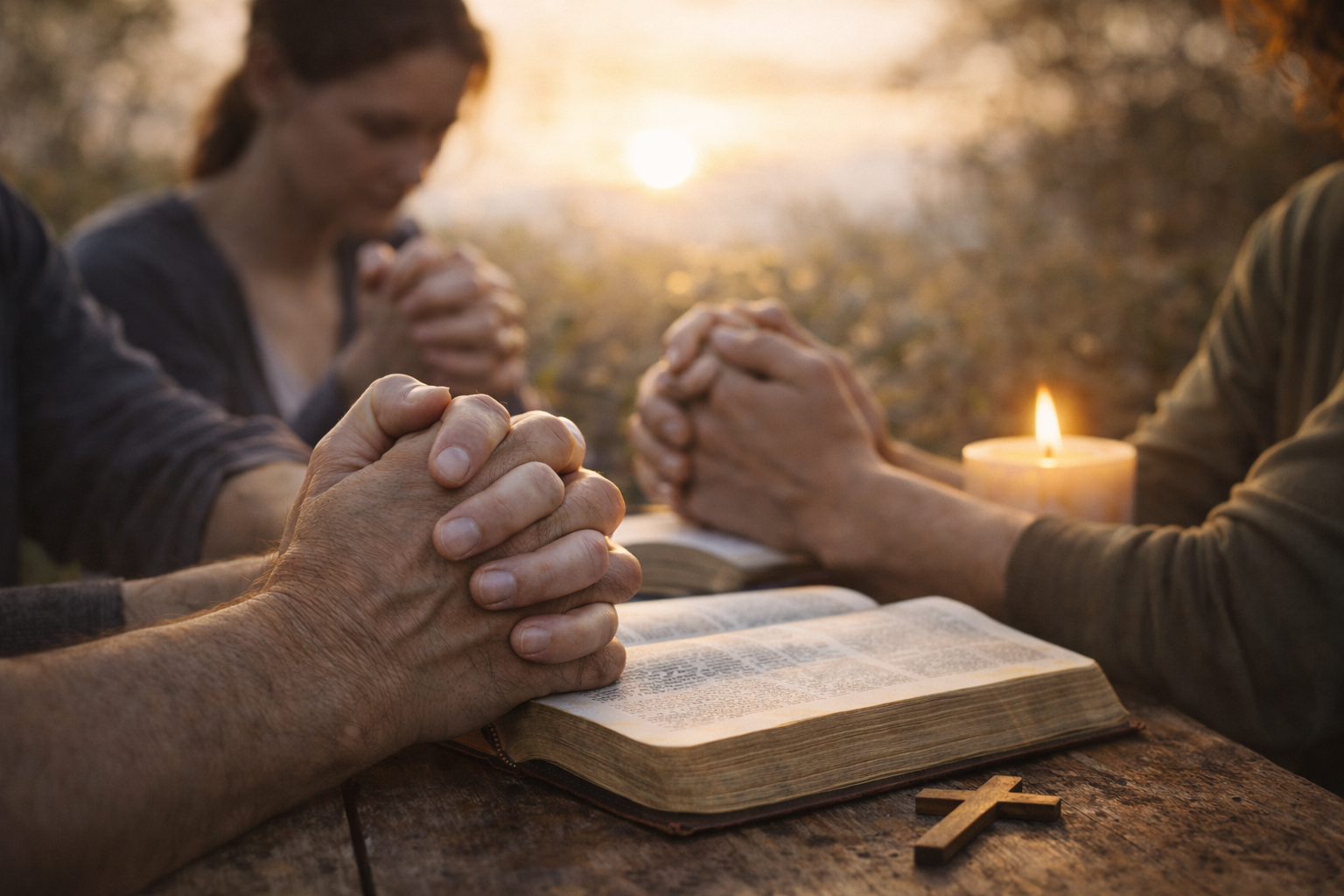
This contrasts with the Christian understanding of rest and peace, which is about turning outward to God – not inward to oneself – to find peace, meaning and truth. Our assessment is that yoga and mindfulness violate biblical practice and understanding of faith.
What can parents do?
Parents have both the right and responsibility to safeguard their children's freedom of religion. If your child encounters yoga, mindfulness or similar practices at school or kindergarten, you can:
- Request access in the teaching programs, plans or exercises used and that parents' interests are taken into account (Education Act §1-3)
- Explain calmly and clearly that this conflicts with the family's faith and conscience, which are anchored in the Human Rights Convention (ECHR Chapter 2), that must be taken into account in teaching
- Refer to the Education Act §14-6, which establishes the right to exemption from activities.
- Request alternative activity which provides the same learning objectives, but without spiritual content.
- Encourage the child to be confident in their convictions and show respect for others.
- Contact the school If uncertainty or pressure arises, ask for an open conversation to find solutions through understanding.
This topic is not about creating distance, but about promoting clarity, security and mutual respect. When the school approaches the topic with knowledge, and parents stand secure in their convictions, the dialogue can build understanding, respect and a school that safeguards freedom of belief for all children.